
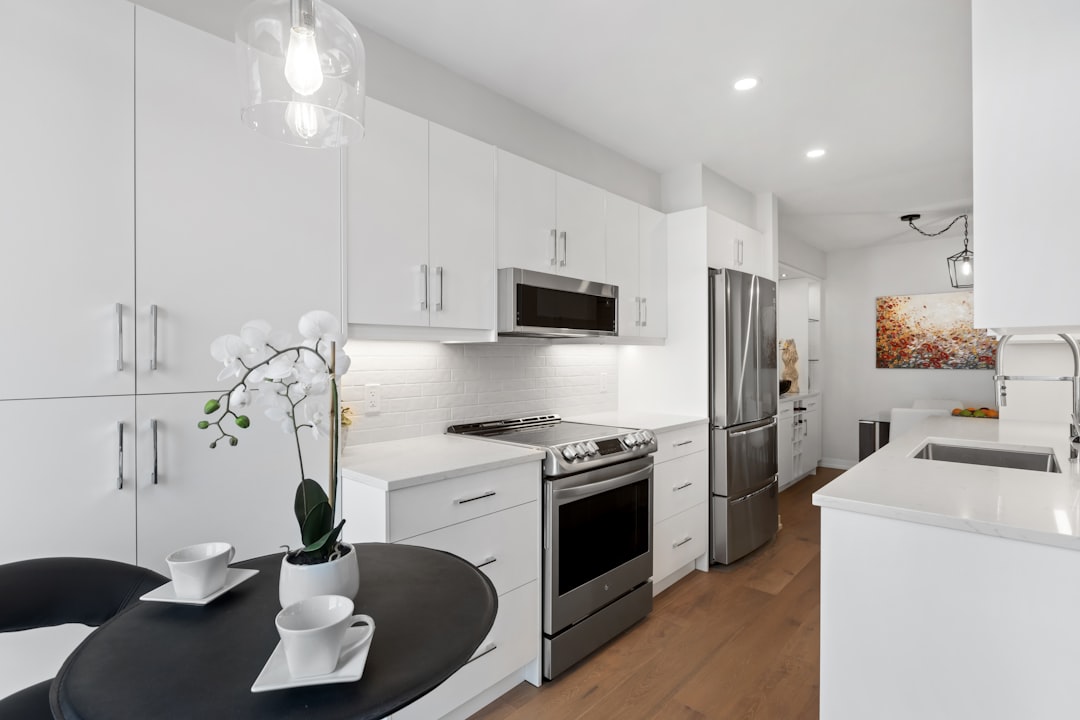
Maximizing Space and Style Through Creative Home Staging Techniques

In today’s competitive real estate market, the presentation of a home can significantly influence its sale price and time on the market. Home staging has emerged as a vital strategy for sellers looking to maximize their property’s appeal. By utilizing creative staging techniques, homeowners can transform their spaces to attract potential buyers and achieve faster sales. This article explores the value proposition of home staging, addressing user needs and motivations while highlighting the benefits and practical outcomes of professional staging services.
Home staging is not merely about decorating; it’s about strategically enhancing a home’s features to create an inviting atmosphere that resonates with buyers. According to the National Association of Realtors, staged homes sell 73% faster than non-staged homes. This statistic underscores the importance of staging in today’s market, where buyers are often overwhelmed with choices. Key Insight: Homes that are staged not only sell quicker but can also command a higher price, with staged properties selling for an average of 10% more than their non-staged counterparts.
One of the primary motivations for homeowners to consider staging is the desire to sell quickly and at a favorable price. When potential buyers walk into a home, they need to envision themselves living there. This is where staging plays a crucial role. By decluttering, rearranging furniture, and adding tasteful decor, staging creates a neutral yet appealing environment that allows buyers to imagine their own lives in the space. This emotional connection is often the tipping point in a buyer’s decision-making process.
Staging for open houses is another critical aspect of the home-selling process. Open houses are an opportunity for buyers to experience the home firsthand. A well-staged home can leave a lasting impression, making it memorable among the many properties buyers may visit. Effective staging can highlight the home’s best features, such as spaciousness, natural light, and functionality. For instance, using mirrors can create an illusion of more space, while strategic lighting can enhance the ambiance, making the home feel warm and inviting.
Real estate staging also addresses common buyer concerns. Many buyers struggle to visualize how their furniture will fit into a new space. By providing a furnished model, staging alleviates this concern, showcasing the home’s potential. Furthermore, staging can help to downplay any flaws in the property. For example, if a room is small, staging it with appropriately sized furniture can make it appear larger and more functional.
Furniture rental for home staging is an increasingly popular solution for homeowners looking to stage their properties without the long-term commitment of purchasing new furniture. This service allows sellers to select pieces that complement their home’s style and appeal to their target market. Rental options provide flexibility and can be tailored to fit various budgets, making staging accessible to a wider range of sellers.
In conclusion, maximizing space and style through creative home staging techniques is an essential strategy for homeowners looking to sell their properties effectively. By understanding the value of staging and its impact on buyer behavior, sellers can make informed decisions that enhance their home’s marketability. With the right staging approach, homeowners can not only sell their homes faster but also achieve a higher sale price, making it a worthwhile investment in the selling process. Whether through professional staging services or furniture rental options, the benefits of staging are clear: it creates a competitive edge in the real estate market.